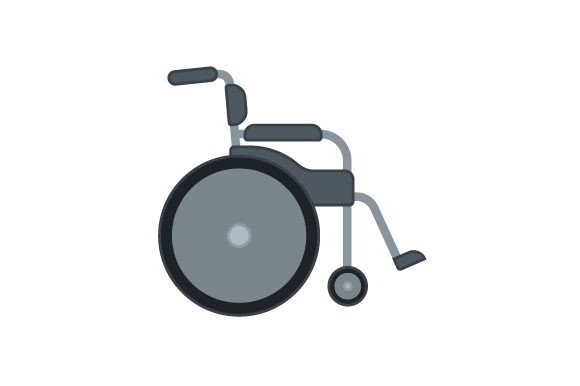
Wheelchair - Sticker: Medical Crafts Asset for Commercial Use
When I first opened the Wheelchair - Sticker file set, I was immediately struck by how directly it speaks to a niche that is often underserved in digital marketplaces. As someone who has been creating and selling digital products for several years, I have learned that the most successful assets are not always the flashiest ones. Instead, they are the designs that solve a real need for a specific audience. This graphic design asset does exactly that. It is clean, purposeful, and immediately recognizable as something that belongs in the Medical category, yet it opens the door to a wide range of Crafts applications. The mood is professional without being cold, and the visual personality leans toward clear communication and accessibility rather than ornamentation. That is a valuable balance for any seller preparing products for an online shop.
The Wheelchair - Sticker design arrives in a practical set of formats: SVG file, transparent PNG, EPS, and DXF. For anyone running a digital download shop on platforms like Etsy or Creative Fabrica, this kind of format variety is essential. It tells me immediately that the asset was built with both cutting machine users and print-on-demand sellers in mind. The SVG design ensures smooth cuts for Cricut projects and Silhouette work, while the transparent PNG is ready for layering into Canva templates, social media graphics, or product mockups. The EPS and DXF options add flexibility for professional design software and specific cutting workflows. This is exactly the kind of file package I look for when evaluating a commercial design for resale.
Real Shop Scenario: Building a Themed Collection
Let me paint a picture of how I would test Wheelchair - Sticker in a real shop scenario. Imagine I am preparing a new product line for an Etsy store that specializes in inclusive and accessible merchandise. The niche has a consistent audience: healthcare workers, disability advocates, families, and individuals who want to express identity or solidarity through design. I would start by dropping the PNG design into a few quick product mockups to gauge thumbnail appeal. A simple mug wrap, a t-shirt preview, and a sticker sheet layout would tell me how the asset reads at small sizes. In my experience, a design that looks strong in a mockup preview almost always performs better in search results because the visual hierarchy is clear and the message is immediate. This design passes that test well. The silhouette is distinct, the linework reads cleanly, and it does not rely on tiny details that would disappear in a crowded thumbnail.
From there, I would explore product types. The sticker design itself is an obvious starting point. Cut on a Cricut or Silhouette, it would produce a clean decal suitable for laptops, water bottles, or car windows. But the asset also works well as a sublimation design for tumblers, tote bags, and apparel. Because the file includes a transparent background, I can layer it onto patterned backgrounds or pair it with typography for greeting cards, invitation templates, or printable wall art. I would also consider using it as part of a design bundle with related medical or accessibility themes. Bundles tend to increase perceived value and average order value on creative marketplaces, and this clipart asset would anchor a collection nicely.
Where Wheelchair - Sticker Works Best
Through my testing, I have found that Wheelchair - Sticker performs exceptionally well in several product categories. Large product previews on marketplaces benefit from its clear silhouette. It works naturally in themed bundles for medical offices, therapy practices, or disability awareness months. Decorative layouts for social media posts or blog graphics can use the design as a focal point or supporting element. When used in printable products like planner stickers, journal kits, or scrapbooking pages, the asset adds meaningful visual content without overwhelming the layout. For merchandise graphics on t-shirts, hoodies, and tote bags, the design sits comfortably at a medium scale, making it versatile for both front-center placements and smaller chest logos.
I also see strong potential for packaging design and brand identity work. Small business owners who run accessible product lines could use this asset for labels, tags, or social media templates. The design has a straightforward honesty that builds trust, which is valuable when customers are evaluating a brand for the first time. In Canva templates, the transparent PNG can be layered quickly without any background cleanup, saving time during template creation. For digital scrapbooking kits or digital paper packs, the asset adds a thematic element that buyers often search for specifically.
Where to Use Careful Attention
No asset is perfect for every situation, and I have learned to identify where a design might fall short before it causes issues in a live listing. Wheelchair - Sticker should be used carefully in a few scenarios. If you are creating tiny sticker details or very small-scale products like earrings or keychains, the fine lines in the design may become less distinct. Always test at the intended print size before publishing. Similarly, in overly complex layouts where multiple design elements compete for attention, this asset might get lost if it is not given enough breathing room. Pair it with plenty of negative space to let the silhouette speak.
For low-resolution print products, ensure you are using the SVG or EPS format to maintain sharp edges. The PNG is transparent and clean, but scaling it up beyond its original resolution can introduce pixelation. Crowded thumbnails on Etsy or similar marketplaces may not show the design well if there is too much visual noise around it. I recommend testing it against a white background and a dark background to see which creates better contrast. The design works on both, but the contrast ratio matters for quick recognition in search results. For Cricut and Silhouette projects, inspect the SVG and DXF cut quality carefully. The paths should be continuous and clean, with no stray nodes that could cause cutting errors. I always run a cut test on scrap material before listing a design for sale, and I recommend the same to anyone using this asset for physical products.
Practical Seller Notes Before Publishing
Before you add Wheelchair - Sticker to your shop, there are several practical steps I always take with any new graphic design asset. First, test the design on real product mockups to see how it renders on different surfaces. A mug, a t-shirt, a sticker sheet, and a tote bag will each react differently to the artwork. Preview it as a marketplace thumbnail at the exact size Etsy or Creative Fabrica displays. If the design is not recognizable at that scale, consider using it on larger products or in bundles where the thumbnail can show more detail.
Check how the asset looks on both white and dark backgrounds. The transparent PNG should blend seamlessly, but some file exports can retain a faint halo or edge artifact. Open the file in your design software and zoom in to confirm the edges are clean. Test print colors if you plan to use the design for sublimation or direct-to-garment printing. Screens often display colors differently than printed results, so a quick test print can save you from unhappy customers. Verify that the PNG transparency is true and that the SVG cut quality is reliable. Organize the files clearly for your customers. I label each format in a separate folder with a clear naming convention so buyers can immediately find the file they need.
When pairing this asset with typography, I have found that several font styles work well depending on the mood you want to convey. A serif font adds a professional, trustworthy feel that suits medical and advocacy products. A sans serif font keeps the look clean and modern, especially for minimalist merchandise. A script font can soften the design and make it feel more personal for greeting cards or social media graphics. A handwritten font brings warmth and approachability, which works well for small business branding. A display font with strong character can create a bold statement for t-shirt designs or posters. Test a few combinations and choose the one that supports the visual hierarchy you want.
Commercial Licensing and Final Considerations
Before you sell any finished products featuring Wheelchair - Sticker, confirm the commercial license terms that apply to your purchase. Most digital product marketplaces offer a standard commercial license that allows you to use the design in physical products for sale, but restrictions may apply to mass production or digital resale of the asset itself. Always read the terms carefully and keep a copy of your license receipt. This is a step I never skip, because a missing license can lead to listing takedowns or worse. For print-on-demand sellers, the license typically covers the use of the design on merchandise as long as the asset is not resold as a standalone file.
Overall, Wheelchair - Sticker is a solid addition to any seller's design assets collection, especially if you serve the Medical niche or create Crafts products with a meaningful message. It is not a flashy, trend-driven design that will fade in a season. Instead, it is a reliable, purposeful illustration that meets a consistent demand. For small business branding, handmade business owners, and creative entrepreneurs building an accessible product line, this asset offers a strong foundation. With thoughtful testing, clear file organization, and smart pairing with typography and mockups, it can support a more professional-looking product collection and help you connect with buyers who are actively searching for inclusive designs.