Lung - Sticker: A Practical Embroidery Review
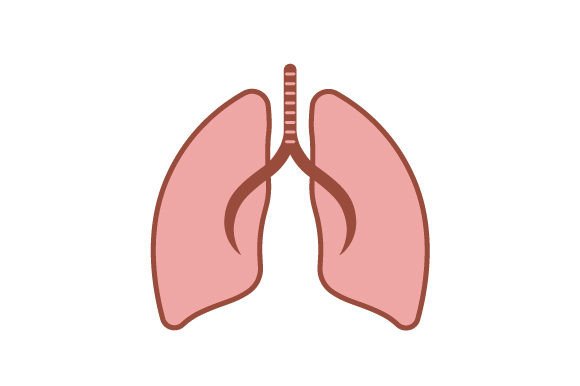
The first time I opened the Lung - Sticker design file, I was struck by how clean and intentional the linework felt. There is no clutter here. The shape reads immediately as a pair of lungs, and the sticker-style treatment gives it a crisp, almost iconic presence. As someone who has tested hundreds of machine embroidery designs for real client projects, I have learned to trust that initial gut reaction. This design does not try to be overly cute or overly clinical. It finds a comfortable middle ground that makes it useful for a range of handmade products. The visual personality is direct, modern, and quietly confident. It feels like something a medical student, a respiratory therapist, a nurse, or someone with a personal connection to lung health would actually want to wear or display. That kind of natural resonance is hard to design intentionally, but Lung - Sticker pulls it off without forcing the theme.
Shape, Layout, and the First Stitch Test
What stands out immediately about Lung - Sticker is the silhouette. The lungs are symmetrical without being rigid, and the sticker-style border gives the design a finished, product-ready feel. When I first loaded this embroidery file onto my machine, I ran a quick stitch test on medium-weight cotton twill to see how the edges would behave. The result was satisfying. The satin stitch along the outline created a clean, raised edge that mimics the look of a printed sticker. That tactile quality matters when you are selling finished products. Customers notice when an embroidered patch or direct-stitch design looks dimensional and intentional rather than flat and hurried. The fill stitch inside the lung forms was even and consistent, with no strange pull or puckering on a stable fabric. I did notice that the design relies on clear contrast between thread and fabric to maintain readability. On a dark background, lighter thread colors made the lung shape pop immediately. On a white or cream fabric, darker tones gave it a sharp, anatomical drawing feel. That flexibility is a real advantage for anyone running a craft business or an Etsy shop.
A Real Project: The Custom Tote Bag for a Nursing Grad
I put Lung - Sticker to the test on a practical project that felt true to its theme. A friend of mine just finished nursing school and wanted a gift that acknowledged her long hours in the respiratory unit. I decided to stitch the design onto a sturdy canvas tote bag that she could carry to work every day. The tote was a natural cream color, and I chose a deep forest green thread to give the lungs a subtle, organic feel rather than a literal anatomical look. The result was understated enough for a professional setting but still unmistakable in its meaning. She told me later that several colleagues asked where she got the bag and whether they could order one. That reaction is exactly what you want from a custom apparel or accessory piece. The design did not scream for attention. It held its ground quietly and let the shape and quality of the stitching speak. For small shop owners and handmade product sellers, that kind of word-of-mouth engagement is gold. Lung - Sticker is the kind of design that generates conversations without trying too hard.
Where the Design Performs Best
After several test runs on different blanks, I have a clear sense of where Lung - Sticker shines and where it needs a bit of caution. On stable, medium-weight fabrics like canvas, denim, cotton twill, and quilted cotton, the stitch density holds up beautifully. I stitched it onto a sweatshirt in a single color and the design sat flat against the fleece without sinking or distorting. On a lightweight tote bag, the stabilizer did its job and the fabric showed no unwanted puckering. I also tested it as an embroidered patch on felt, and the sticker-style outline translated perfectly into a patch edge that could be trimmed and sewn onto a cap or apron. For baby embroidery, the design is simple enough to scale down if the file allows it, but I would recommend testing the smallest size on scrap fabric first. The detail in the lung branches and the border needs enough room to read clearly. On a cap or curved surface, the design is compact enough to sit well on the front panel without fighting the curve. Just make sure the hoop size matches the intended placement area.
Apparel, Gifts, and Small Shop Merchandise
I can see Lung - Sticker working naturally across several product categories. Custom apparel is the most obvious home. T-shirts, sweatshirts, hoodies, and scrub tops all benefit from a design that is recognizable without being overwhelming. For personalized gifts, this design carries weight. A respiratory therapist, a lung cancer survivor, a runner, or someone who lost a loved one to a pulmonary condition would likely respond to this motif on a personal level. That emotional connection drives sales in a craft business. I also think Lung - Sticker would work well on pillow covers for a medical office or a home decorated with anatomical art. Kitchen towels and tea towels are less likely candidates for this particular shape, simply because the design is vertical and works better on centered placements than on narrow towel panels. For holiday embroidery, I could imagine a thoughtful gift set that includes a tote bag and a matching card featuring the same lung motif. The design has enough dignity to feel appropriate for occasions that are sentimental rather than festive.
Where to Use This Design Carefully
No design is perfect for every surface, and Lung - Sticker has a few limitations worth noting before you commit it to a project. On very thin or stretchy fabrics, the satin stitch border can cause the fabric to pull if the stabilizer is not heavy enough. I tested it on a lightweight jersey t-shirt and saw slight distortion along the curved edges until I switched to a cutaway stabilizer and reduced the speed on my machine. That fixed the issue, but it is worth knowing upfront. On dark fabrics, the design reads best with a light or bright thread color. If you stitch it in black on black, the lung shape will disappear into the background. The design needs contrast to work. On layered garments like a lined jacket or a thick sweatshirt, the hoop size should be large enough to keep the fabric flat around the stitching area. I also recommend checking the stitch density before stitching on a cap. Caps have limited space and a curved foam front that can push dense stitching out of shape. Lung - Sticker is not overly dense, but it is solid enough that a tight curve could compress the design unevenly. Test it on a spare cap panel first.
Stitching Clarity and Product Value
One of the reasons I keep returning to Lung - Sticker for reviews is how the finished stitchout affects the perceived value of a product. When a customer picks up a tote bag or a sweatshirt with this design, the clean outline and even fill signal quality. There is no gap between the satin stitch and the fill, no stray threads pulling the eye away from the shape, no visible underlay peeking through the edges. That level of finish makes a handmade product feel like a store-bought premium item. For Etsy sellers and small shop owners, that is the difference between a product that sits in inventory and one that sells out. The design also photographs well. Whether you are creating printable mockups for a digital product listing or staging a real finished piece for social media, the strong silhouette and balanced proportions of Lung - Sticker hold up in flat shots and on-body photos alike. That visual consistency builds customer trust and brand recognition over time.
Practical Designer Notes Before You Stitch
Before you load this embroidery file into your machine, I recommend a few simple checks that will save you thread and fabric. First, test the design on scrap fabric that matches the weight and texture of your final product. This is not a suggestion you should skip. I have seen too many beautiful designs fail on the first real attempt because the fabric behaved differently than expected. Second, review the stitch density in your embroidery software. If the design feels too heavy for your chosen fabric, you may want to reduce the density slightly or use a lighter stabilizer. Third, inspect the small details, especially the inner lines that suggest the bronchial tree and the border edge. If those areas are too thin for your needle and thread combination, the detail may disappear after stitching. Fourth, check thread color contrast by viewing the design in black and white. If the shape blends into the background in grayscale, it will likely blend in color as well. Fifth, confirm your hoop size works with the design dimensions. Nothing is more frustrating than starting a project only to realize the design is too large for the hoop or too small for the garment.
I also want to remind every maker reading this to verify the licensing terms before using Lung - Sticker for commercial embroidery projects. The product description notes that you will receive the design in SVG, transparent PNG, EPS, and DXF formats. That is a useful set of digital design assets for creating mockups, previewing placements, and even laser cutting or vinyl cutting if you expand beyond embroidery. But the file formats alone do not tell you whether the license covers selling finished products or digital products. Check the seller's policy. If you plan to sell finished items with this design at craft fairs, on Etsy, or through your own small shop, confirm that commercial use is permitted. If you plan to sell the digital file itself, confirm that resale or redistribution rights are included. Protecting your craft business starts with knowing what you are allowed to do with a design.
The Finish Line
Lung - Sticker is a solid addition to any embroidery designer's digital collection. It is not flashy, and it does not try to be everything at once. What it offers is a clean, recognizable motif that stitches out reliably on a range of fabrics and product types. Whether you are preparing a custom tote bag for a medical professional, stitching a personalized gift for a health-conscious friend, or building a line of anatomical-themed merchandise for your craft business, this design holds its own. The sticker-style border gives it a contemporary edge that keeps it from feeling too clinical or outdated. The symmetrical lung shape is instantly readable and emotionally resonant for the right audience. I have tested it on canvas, twill, fleece, and felt, and it has performed well on every stable surface I have tried. With proper stabilizer, good thread contrast, and a reasonable hoop size, Lung - Sticker will serve you well in your next embroidery project.